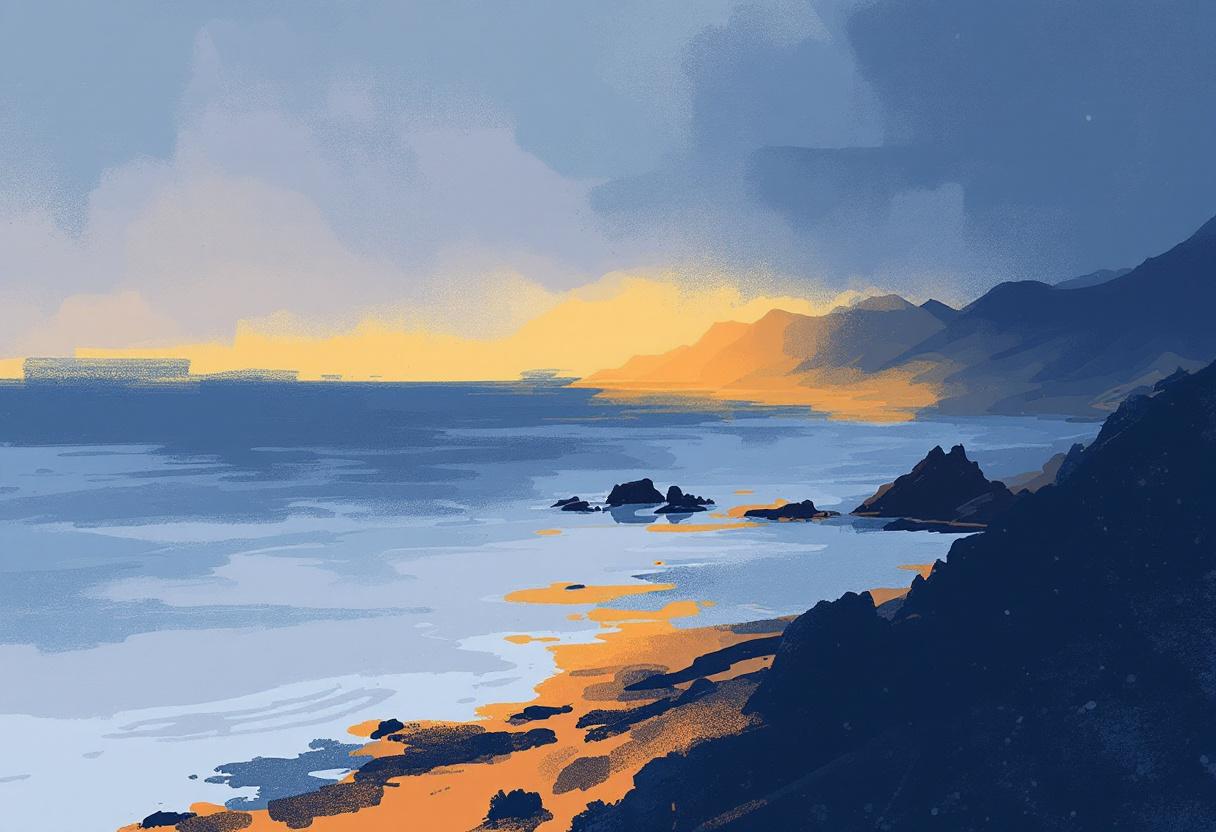
Five Days on the California Coast Before the Crowds Arrive
Why late May in Monterey is the sweet spot most travellers miss.
Five Days on the California Coast Before the Crowds Arrive
There's a version of coastal California that most people don't get to see — not because it's hard to find, but because the timing is wrong. They show up in July or August when Highway 1 is bumper-to-bumper and every restaurant in Monterey has a 45-minute wait. Late May is different. The hills are still green from winter rains. The fog burns off by mid-morning. The crowds haven't landed yet. And if you anchor yourself in Monterey with a Big Sur day trip on the agenda, you've built one of the best short adventure trips California has to offer.
The Base That Makes the Whole Trip Work
Most people default to staying in central Monterey, which is fine — but fine is the ceiling. For a trip built around surf, hiking, and waking up with some intention, the Sanctuary Beach Resort in Marina is the smarter call. It sits on a stretch of wild, undeveloped beach north of town that doesn't have the postcard reputation of Carmel but earns it anyway. Rooms are comfortable without being precious about it, and you fall asleep to actual ocean sounds rather than foot traffic on Cannery Row. Rates start around $150 a night in May, which is genuinely good value for a beachfront property on this coastline. Book it early — this is the month it starts filling up.
From Marina, you're twenty minutes from downtown Monterey, forty from Carmel, and an hour from the heart of Big Sur. That radius is everything you need.
The Day You Drive South and Don't Look at Your Phone
The Big Sur day trip is the centrepiece of any Monterey-based itinerary, and it deserves to be treated like one. Clear your schedule. Start early. Check Highway 1 conditions the night before — landslides have closed the road before without much warning, and rerouting around a closure eats the kind of time you don't want to lose on a four-night trip.
If the road is open, the drive itself does most of the work. Bixby Creek Bridge is the photograph everyone takes, but it earns the cliché — the scale of it, the way the canyon drops away on either side, doesn't translate until you're standing there. McWay Falls, just south of Big Sur village, is a short walk from the road and delivers one of the more surreal images on the California coast: a waterfall dropping straight onto a beach that you cannot actually reach, which somehow makes it better.
The hiking in Big Sur proper is where the trip earns its adventure credentials. The trails are not manicured or crowded in the way that national park trails can be. You're moving through redwood groves and along cliff edges with the Pacific below, and the effort required to get anywhere means you're usually sharing the trail with people who actually want to be there.
Surf, Seafood, and the Monterey That Doesn't Try Too Hard
Moss Landing, a short drive up the coast from Marina, is where you get in the water. It's not a glamorous surf spot — there are no Instagram-ready wave shots here — but the break is consistent, the vibe is unpretentious, and if you're booking lessons rather than paddling out on experience alone, the instructors know the water well. Book ahead; the good ones fill up in May.
Monterey's food scene is the part of this trip that catches people off guard. The seafood here is not tourist-trap seafood. The bay is one of the most productive marine environments on the Pacific coast, and the restaurants that have been here long enough to know what they're doing reflect that. Clam chowder is the obvious entry point, but the local Dungeness crab and whatever the catch of the day actually is will take you further. Cannery Row has its souvenir shops and its noise, but it also has genuinely good places to eat if you're willing to walk past the obvious ones.
The Monterey Bay Aquarium deserves more than a passing mention. It's one of the best aquariums in the world — not because of spectacle, but because it's built around the actual ecosystem sitting outside its windows. The kelp forest exhibit is the kind of thing that recalibrates your sense of what's living in the water you've been surfing in all day.
Where the Coast Gets Quiet: Point Lobos
Point Lobos State Natural Reserve, just south of Carmel, is the day-four move. The trails along the headland give you the same dramatic California coastline as Big Sur with considerably less driving, and the light in late May — golden, long, not yet bleached by summer — makes the whole place feel like it's been lit for a film. Wear real shoes. The terrain is uneven and the good viewpoints require some scrambling.
After Point Lobos, Carmel village is right there if you want it — small, walkable, with better coffee and lunch options than its reputation as a wealthy enclave might suggest.
Why This Trip, This Way
A lot of California coast itineraries try to cover too much ground — LA to San Francisco in five days, a blur of freeways and Instagram coordinates. What makes the Monterey anchor work is that it doesn't ask you to do that. The geography is compact enough that you're not spending half your trip in a car, but varied enough that you can surf one morning, hike a different landscape the next, and eat well every night without repeating yourself. Late May gives you all of that before the version of California that everyone else shows up for. That's the version worth planning around.
Plan your own trip with AI
Budge turns a conversation into a full travel plan — flights, hotels, budget, and everything in between.
Start planning for free →