Two Bases, One Mountain Range: The Dolomites Done Right
Why splitting your time between Val Gardena and San Cassiano makes for a near-perfect May trip.
Two Bases, One Mountain Range: The Dolomites Done Right
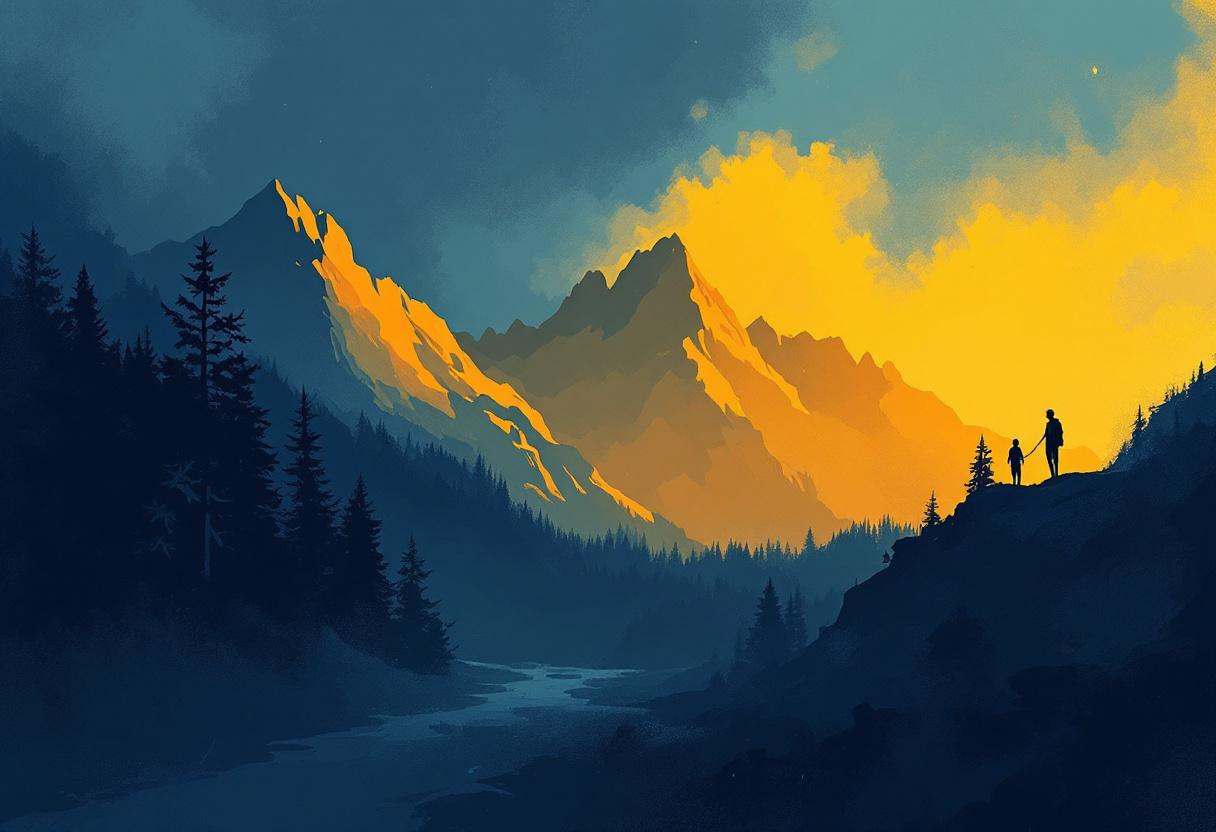
There's a moment that happens in the Dolomites, usually around 8pm, when the light turns. The peaks — all pale limestone and vertical drama — flush pink, then deep amber, then something close to red. The Ladins, who've been living under these mountains for centuries, have a word for it: enrosadira. Roughly translated, it means the mountains are on fire. You can see it from most of the region, but standing in the Alta Badia valley in mid-May, with almost no one else around, it feels like it's happening just for you. That's the Dolomites in May. Not the summer rush, not the ski season crush — just the mountains at their most honest.
This 9-night itinerary for couples is built around two bases: Val Gardena in the first half, San Cassiano in the second. It's a deliberate split, and it makes a significant difference to how the trip feels.
Val Gardena: The Neighbourhood That Sets the Tone
Ortisei, the main village in Val Gardena, is the right place to arrive. It's central, it's walkable, and it gives you an immediate sense of what makes the Dolomites feel different from every other Alpine destination — the culture is Ladin and Tyrolean as much as Italian, and the villages reflect that. Signs are in three languages. The food is richer, more Germanic. The architecture has a solidity to it.
Your first afternoon is best spent doing very little. Walk the village, find a Stube — the traditional wood-panelled inn-style restaurant that defines eating in this part of the world — and order something with cheese. You'll get your bearings and start to feel the altitude shift in your lungs.
Days two through four are for hiking. Val Gardena's trail access is excellent — you can be above 2,000 metres within an hour of leaving your hotel door, and the ridge walks here have a scale that's hard to prepare for. The peaks aren't rounded like the Alps further west; they're towers and walls, and walking among them feels genuinely cinematic.
Mid-May means the high mountain huts (rifugi) are just beginning to open, which is part of why this timing works so well. You won't be competing for trail space with August crowds, and the valleys still have some snow-melt freshness. Pack waterproofs regardless — afternoon thunderstorms are common, and the weather at altitude changes faster than the forecast suggests. A packable down layer and proper waterproof hiking boots aren't optional here; they're the difference between a great day and a miserable one.
For evenings, Val Gardena's restaurant scene is solid rather than spectacular. Wine bars have been improving steadily — look for places pouring from Alto Adige producers, which is some of the most underrated white wine in Italy. Pinot Grigio here doesn't resemble what you'd find in a supermarket; it's leaner, more mineral, genuinely interesting. Gewürztraminer from the region is worth trying too.
The Drive That Changes Everything: Arriving in San Cassiano
On day five, you drive. It's about an hour between the two bases — easy on mountain roads, and the route itself is part of the experience. The Sella Pass, if you take it, is one of the more dramatic road crossings in the Alps, with the Sella massif rising on one side and the Langkofel group on the other.
San Cassiano sits in the Alta Badia valley, and the shift in atmosphere is immediate. It's quieter than Val Gardena, smaller, and it has the self-contained confidence of a place that doesn't need to try very hard. This is the food capital of the Dolomites — a claim that sounds like marketing until you eat here.
San Cassiano and the Serious Business of Eating Well
Alta Badia has more Michelin-starred restaurants per square kilometre than almost anywhere in the Alps. That's not an accident — it reflects a genuine Ladin food culture that's been refined rather than performed. The cooking here draws on the landscape: freshwater trout, mountain lamb, venison, aged cheeses, wild herbs that grow at altitude. It doesn't lean on butter and cream in the way French Alpine food does; it's more precise, more seasonal.
If you're going to spend money anywhere on this trip, spend it here. St. Hubertus at Rosa Alpina is the reference point — a two-Michelin-star restaurant that doesn't feel intimidating to actually eat in. Book well in advance and go for the tasting menu on an evening when you're not planning an early start the next morning. The wine pairings lean heavily on South Tyrolean producers, and the sommelier team knows the region with the kind of depth that only comes from genuine obsession.
For more casual evenings, the Alta Badia villages have excellent Stube-style restaurants where you can eat very well for a fraction of the price. Order the cheese board at least once. Dress smart-casual in the evenings — no one's in black tie, but you'll feel more at ease and more welcome than if you arrive in full hiking kit.
The hiking around San Cassiano is different in character from Val Gardena — the valley is broader, the light is different, and the Fanes plateau above the village is one of those landscapes that makes you stop and just look. Days six through eight give you time to hike, eat, and do nothing in particular — which is, genuinely, a valid way to spend time in a place this beautiful.
Why This Trip, Done This Way, Is Worth It
The two-base structure is the thing that makes this itinerary work. If you'd stayed in one place for the whole nine nights, you'd have seen less and felt less. Moving from the hiking-first energy of Val Gardena to the slower, food-focused rhythm of San Cassiano gives the trip a shape — a beginning, a middle, and an ending that feels earned. The Dolomites in May reward that kind of attention. The crowds haven't arrived yet, the mountains are coming back to life, and on a clear evening in Alta Badia, the enrosadira will do exactly what it's supposed to do.
Plan your own trip with AI
Budge turns a conversation into a full travel plan — flights, hotels, budget, and everything in between.
Start planning for free →